Estate Darjeeling
Black TeaTASTING NOTES
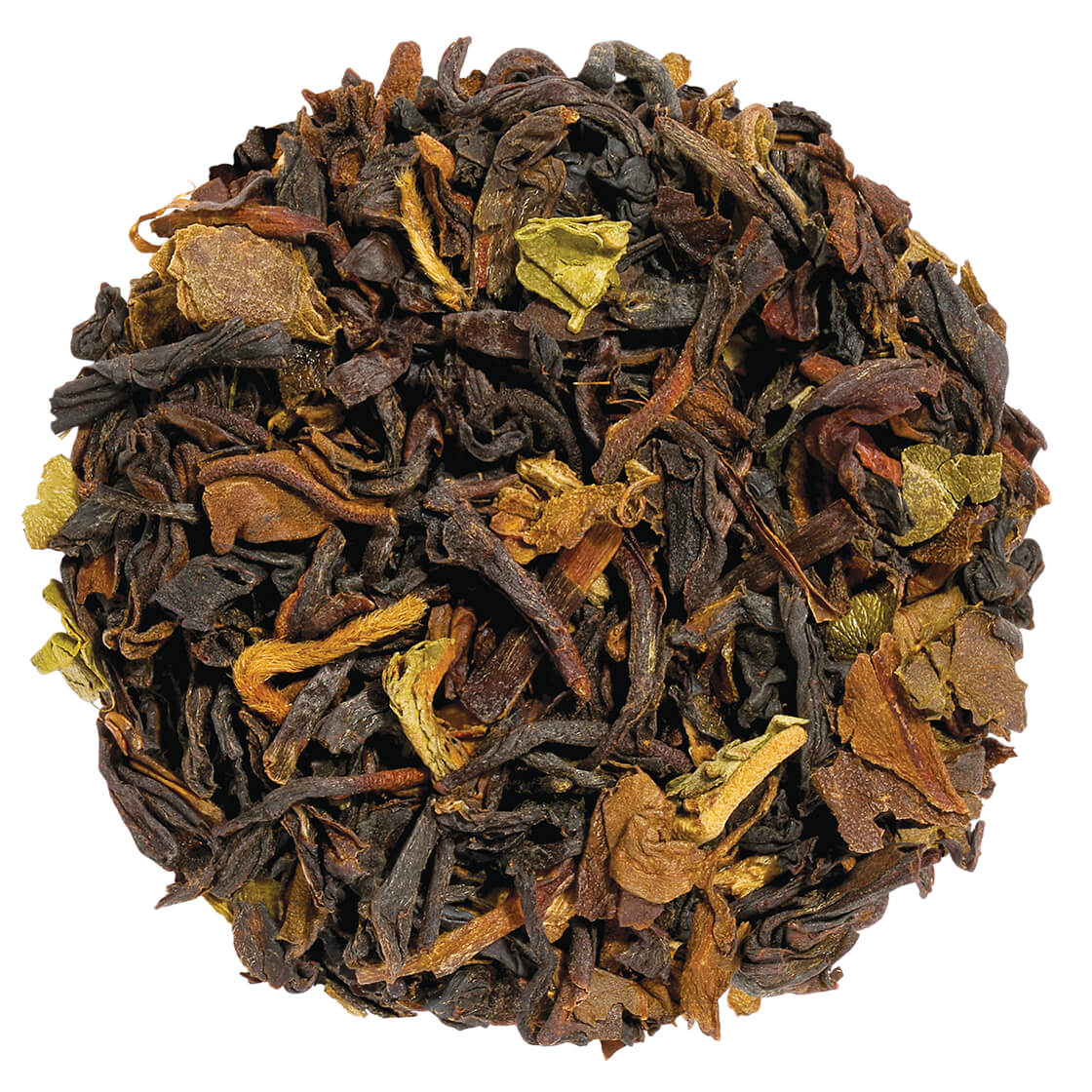
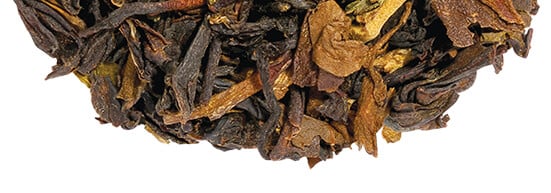
Flavor: Clean, crisp and clear with married muscatel notes of wine
Aroma: Florally fragrant, fresh and light
Color: Bright copper
Your Selection
PLEASE SELECT FOUR (4) TEAS
Review
Confirm and Add to Bag
PLEASE SELECT FOUR (4) TEAS
Optional
Confirm and Add to Bag

Caffeine-free red tea layered with sweet berries and rose. Kosher Certified.
African Solstice Tea
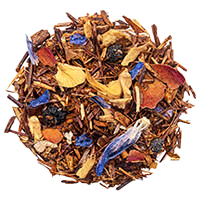
Black Currant Tea
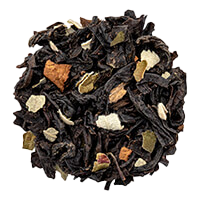
Blueberry Merlot Tea
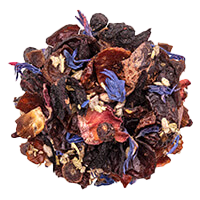
Bombay Chai Tea
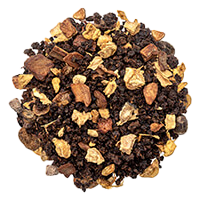
Chamomile Citron Tea

Cherry Blossom Tea
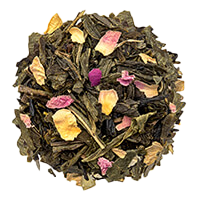
Earl Grey Tea
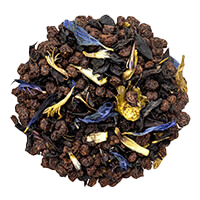
English Breakfast Tea
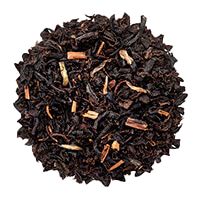
Ginger Lemongrass Tea
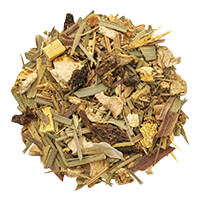
Green Mango Peach Tea
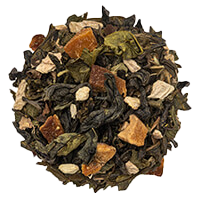
Jasmine Green Tea
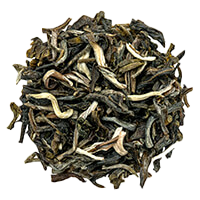
Lemon Sorbetti Tea
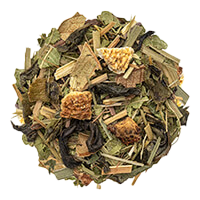
Moroccan Mint Tea
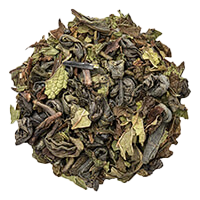
Orchid Vanilla Tea
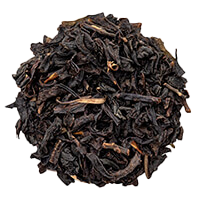
Raspberry Nectar Tea
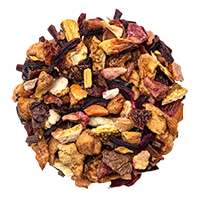
Sweet Orange Spice Tea
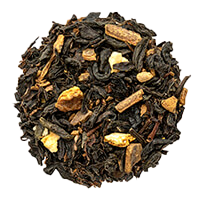
White Ginger Pear Tea
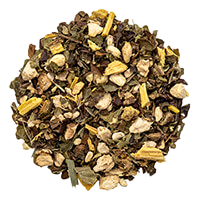
Winter Chai Tea
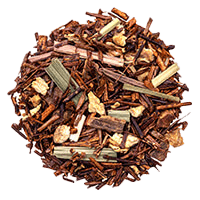
Top Layer
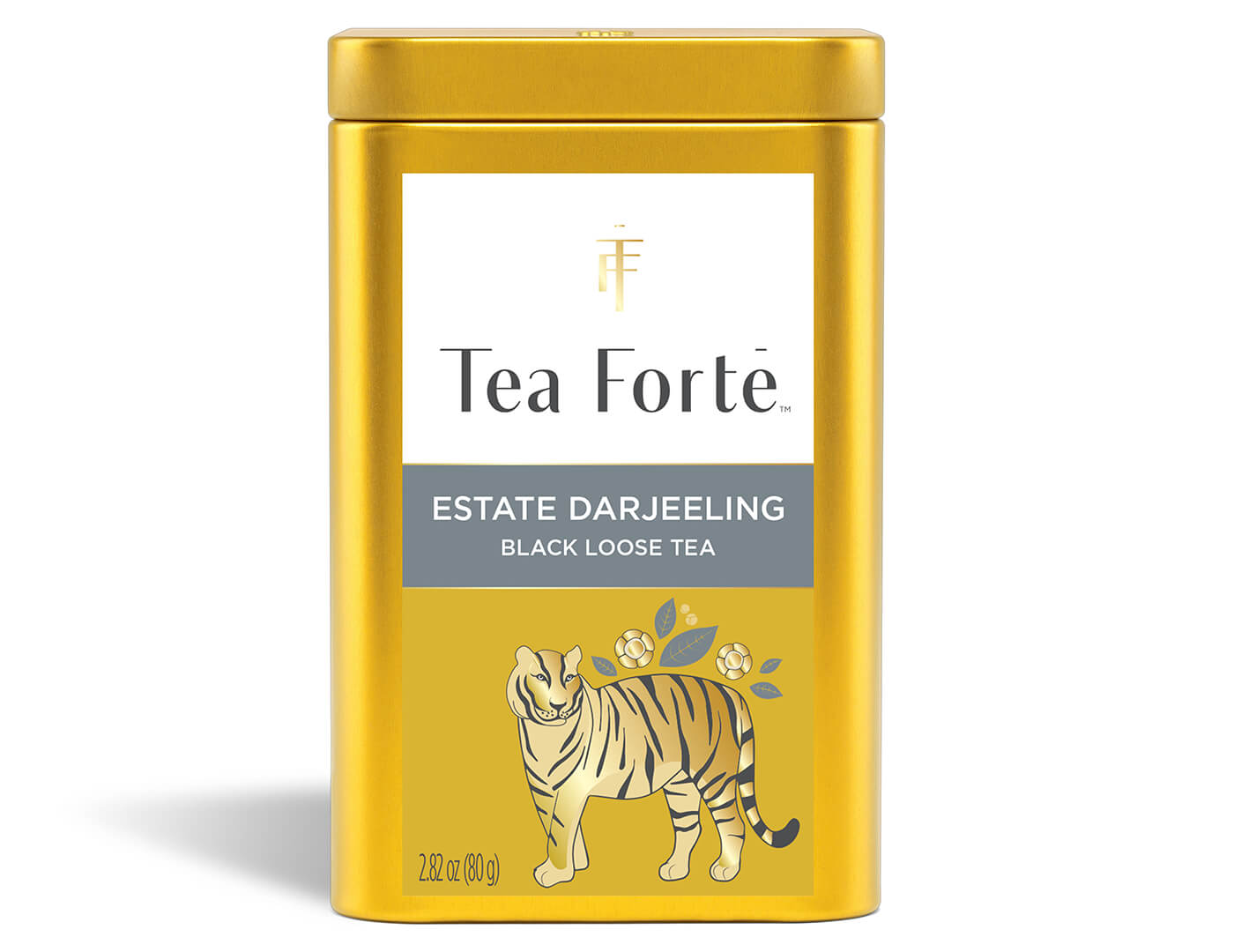
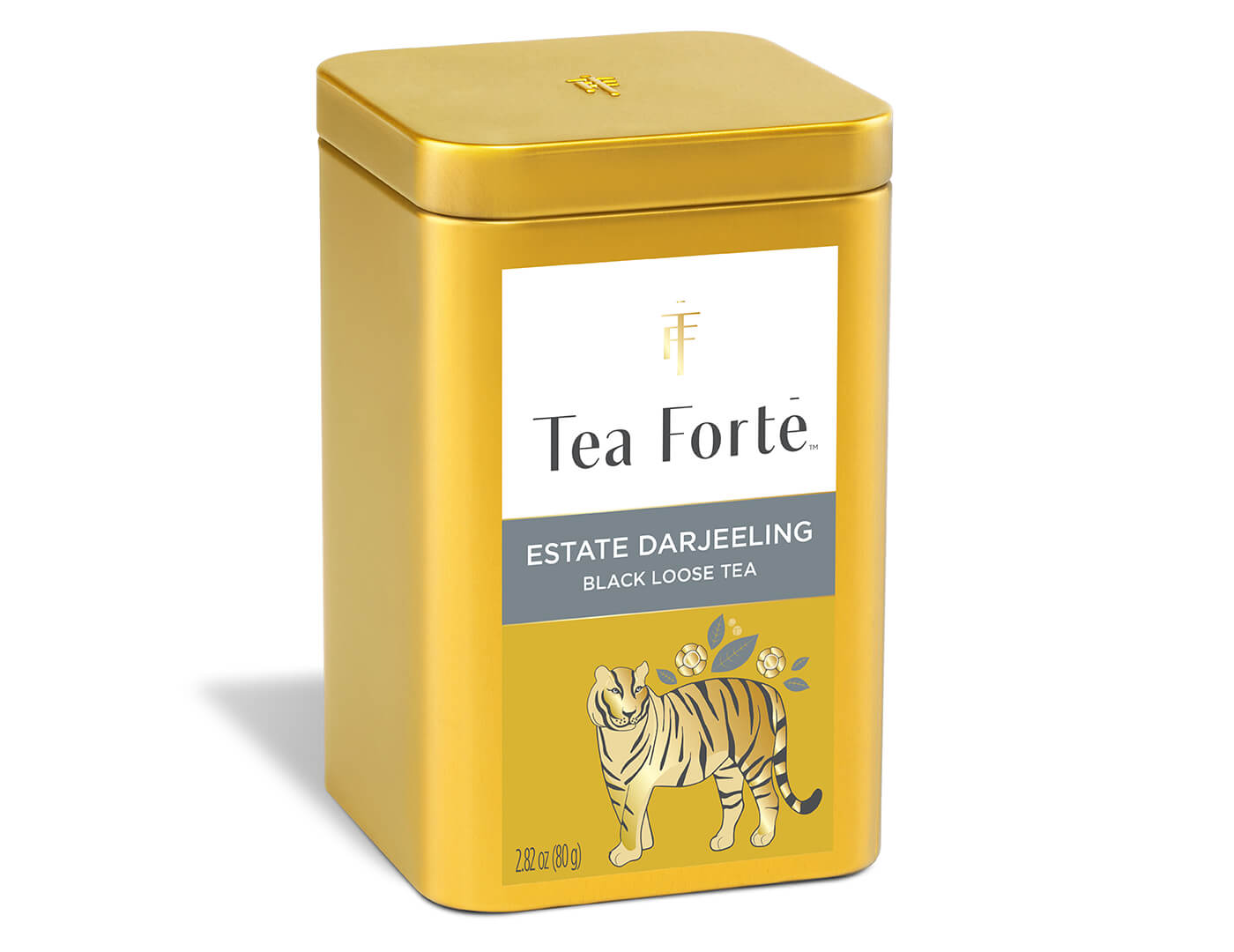
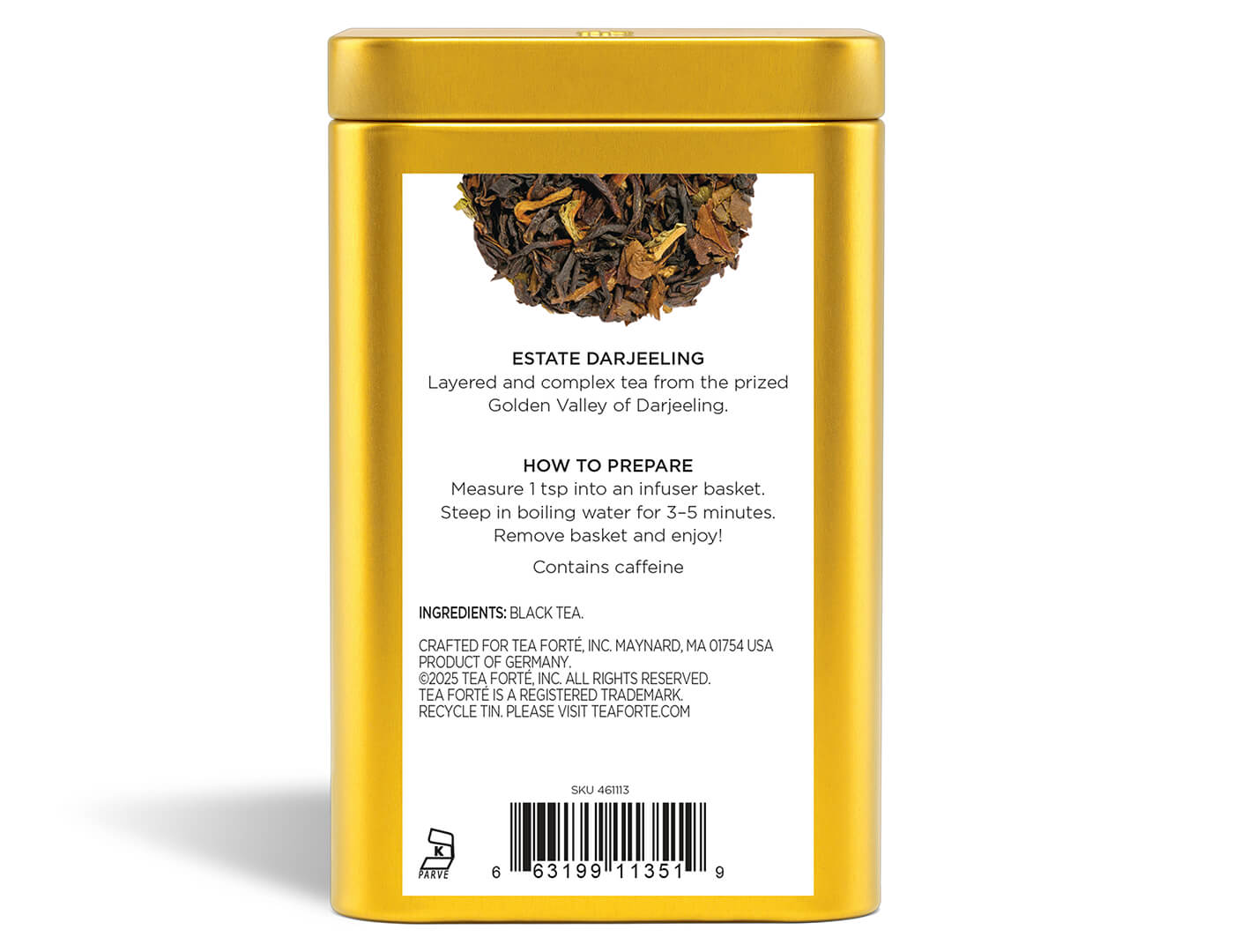
Estate Darjeeling Loose Leaf Tea Canister
35-50 Servings
Estate Darjeeling Loose Leaf Tea Canister
Enter your email below to be notified when this item is back in stock.

Event Box Estate Darjeeling 40ct
40 tea infusers
Event Box Estate Darjeeling 40ct
Enter your email below to be notified when this item is back in stock.
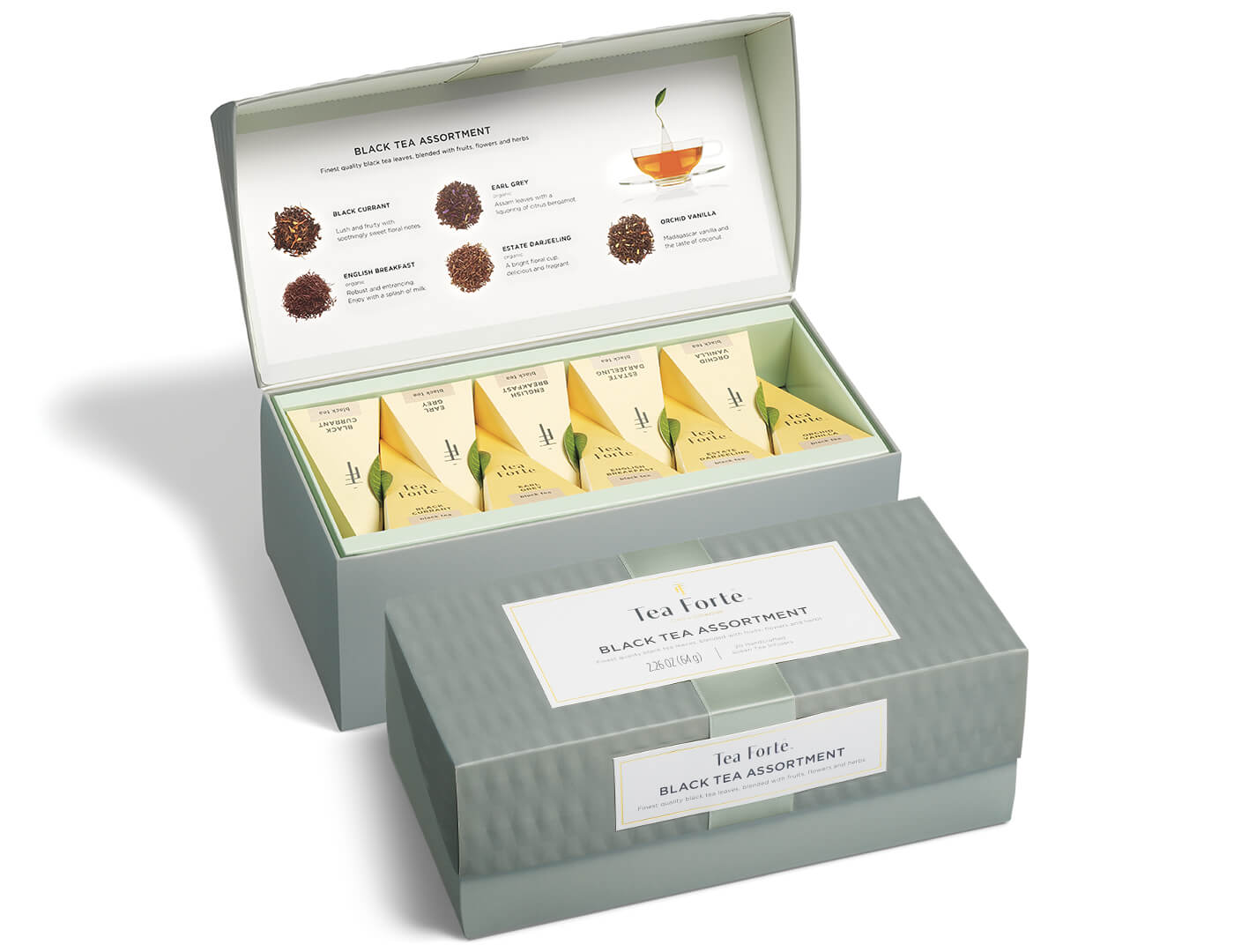


Presentation Box Black Tea Assortment
20 tea pyramids
Presentation Box Black Tea Assortment
Enter your email below to be notified when this item is back in stock.
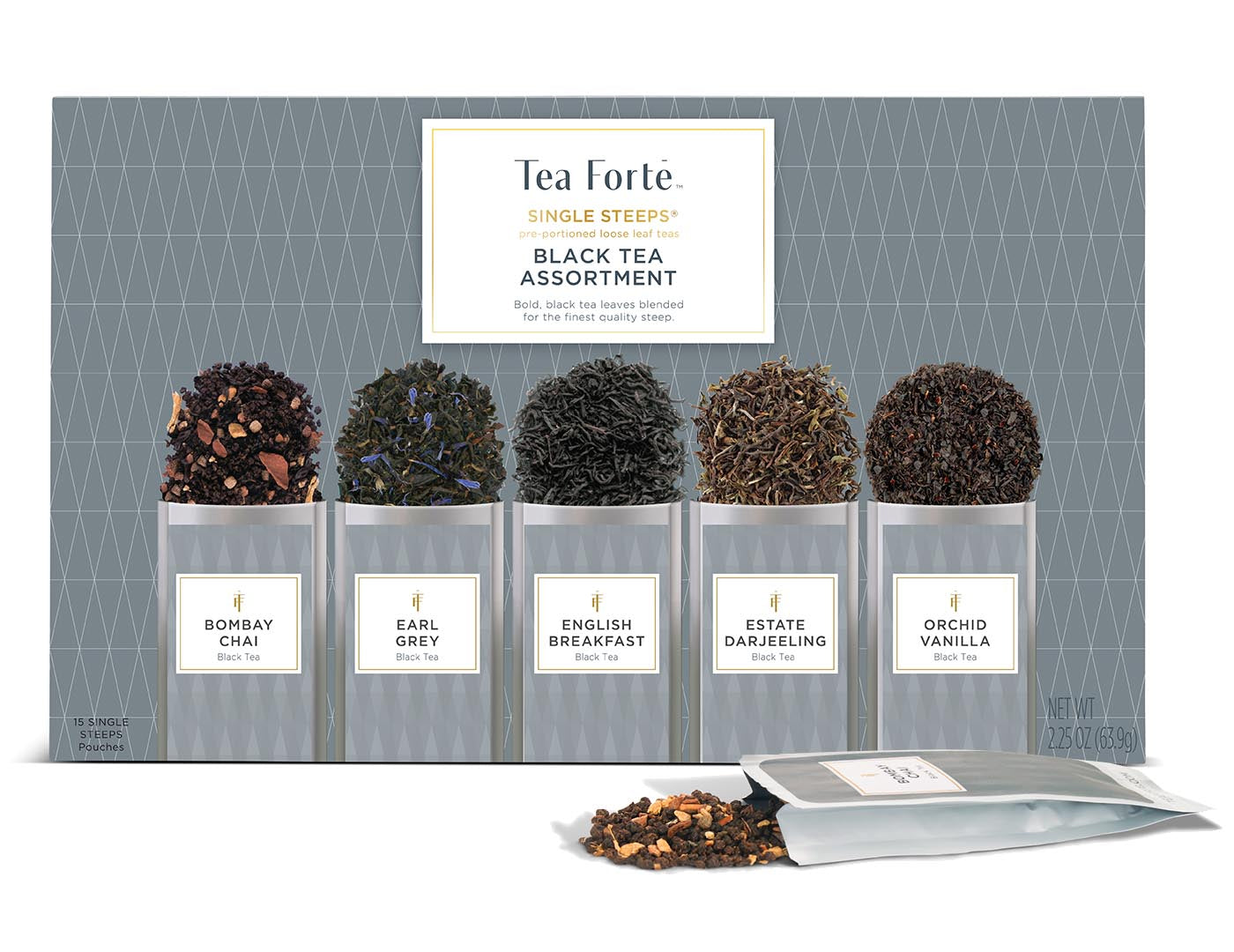


Single Steeps® Black Tea Assortment
15 loose tea pouches
Single Steeps® Black Tea Assortment
Enter your email below to be notified when this item is back in stock.
ALL ABOUT
ESTATE DARJEELING
ABOUT ESTATE DARJEELING
Tea Type: Black Tea
Experience the exquisite essence of this special tea from the revered Golden Valley of Darjeeling, nestled in the majestic Himalayan Mountain Range of India. This renowned and geographically protected tea-growing region is home to the historic Monteviot estate, where our tea is meticulously sourced. As one of the smallest and oldest tea gardens in India, Monteviot upholds a legacy of quality and tradition. Tea Forté takes pride in offering this ethically crafted black tea, deeply layered and complex, for your enjoyment.
Read more about Darjeeling Tea:
STEEPING INSTRUCTIONS
1. Measure 1 tsp into an infuser basket.
2. Steep in boiling water (208˚F) for 3-5 minutes.
3. Remove basket and enjoy!
For loose leaf iced teas, use 2 tsp per 8-ounce glass.
TASTING NOTES
Flavor: Clean, crisp and clear with married muscatel notes of wine
Aroma: Florally fragrant, fresh and light
Color: Bright copper
INGREDIENTS
Black tea.
CAFFEINE CONTENT (MG)

You also viewed
CUSTOMER
REVIEWS
Customer