Moroccan Mint
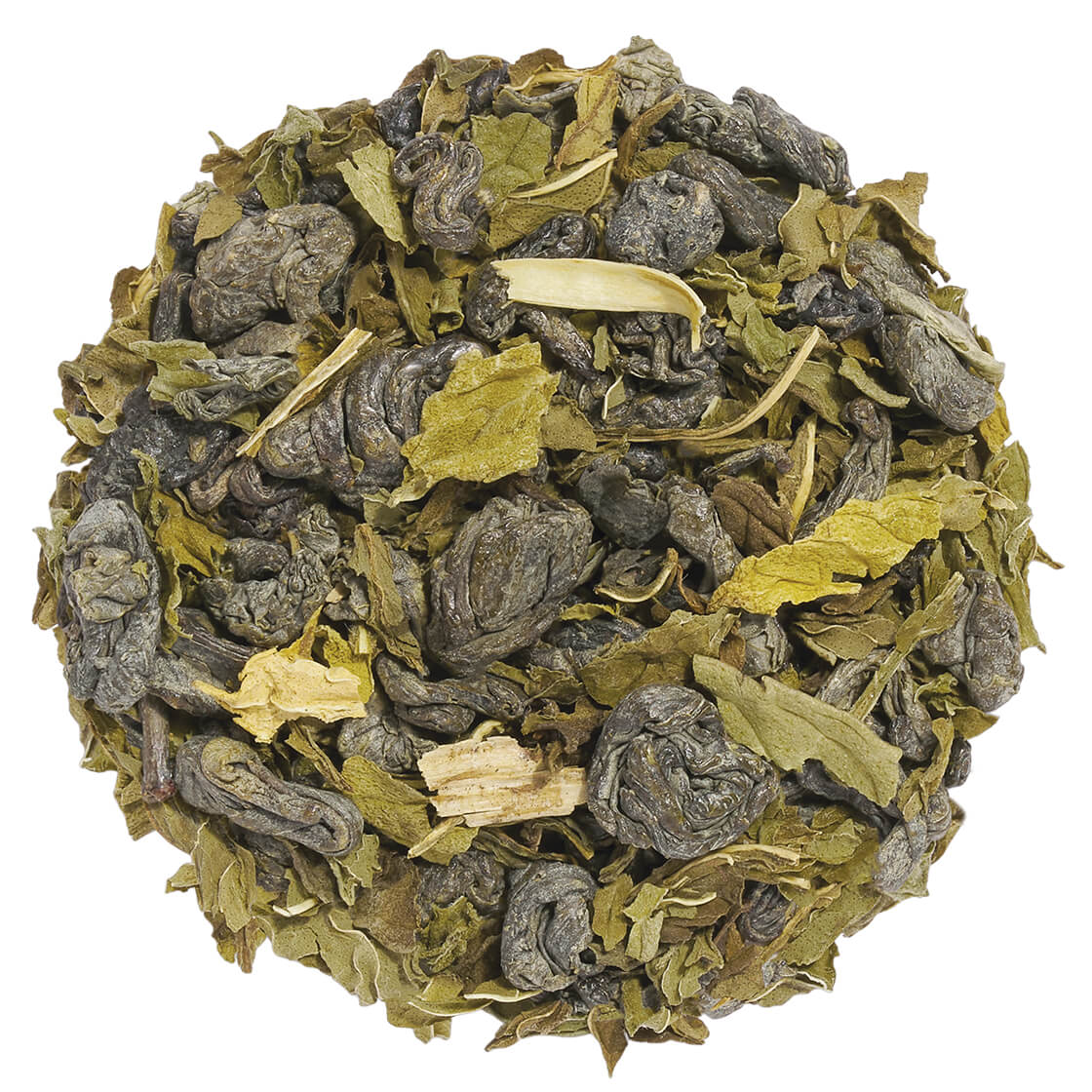
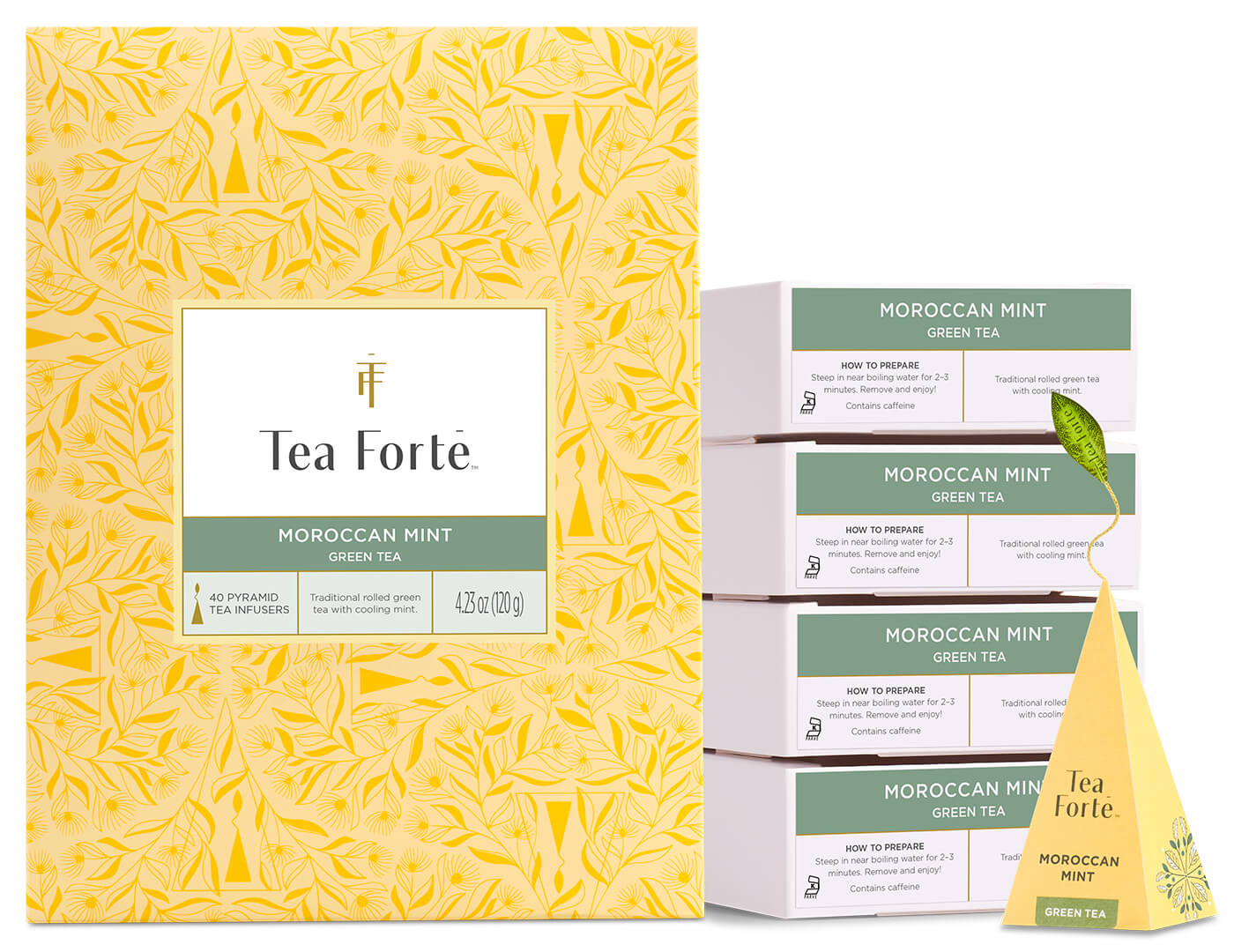
Traditional rolled green tea with cooling mint. AWARD WINNER at the Global Tea Championships.
TASTING NOTES
Flavor: Perfectly balanced with a lingering sweet, smooth and cooling finish
Aroma: Refreshing and minty
Color: Golden yellow-green
Your Selection
PLEASE SELECT FOUR (4) TEAS
Review
Confirm and Add to Bag
PLEASE SELECT FOUR (4) TEAS
Optional
Confirm and Add to Bag

Caffeine-free red tea layered with sweet berries and rose. Kosher Certified.
African Solstice Tea
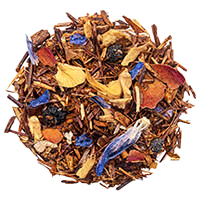
Black Currant Tea
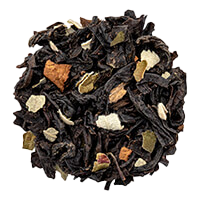
Blueberry Merlot Tea
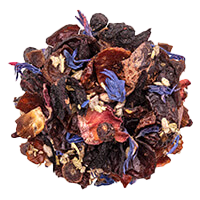
Bombay Chai Tea
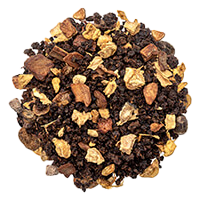
Chamomile Citron Tea

Earl Grey Tea
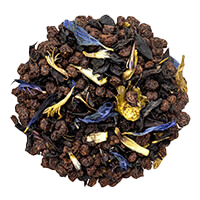
English Breakfast Tea
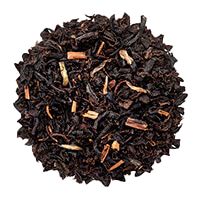
Ginger Lemongrass Tea
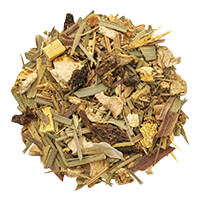
Green Mango Peach Tea
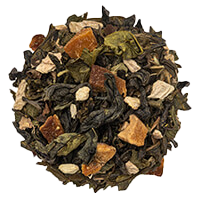
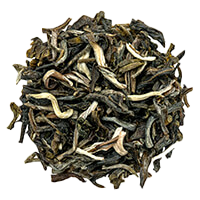
Jasmine Green Tea
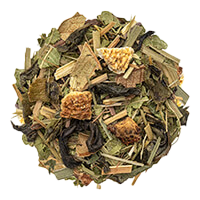
Lemon Sorbetti Tea
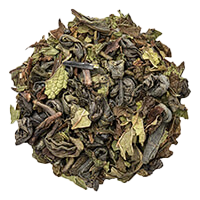
Moroccan Mint Tea
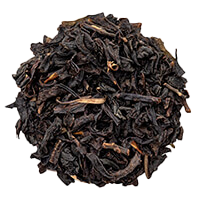
Orchid Vanilla Tea
Raspberry Nectar Tea
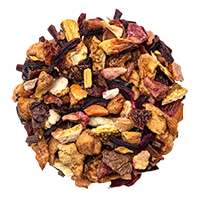
Sweet Orange Spice Tea
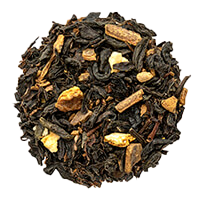
White Ginger Pear Tea
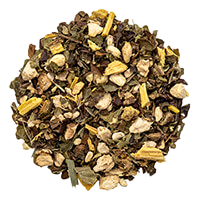
Winter Chai Tea
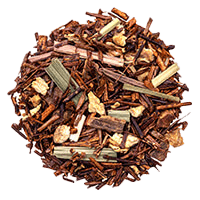
Top Layer


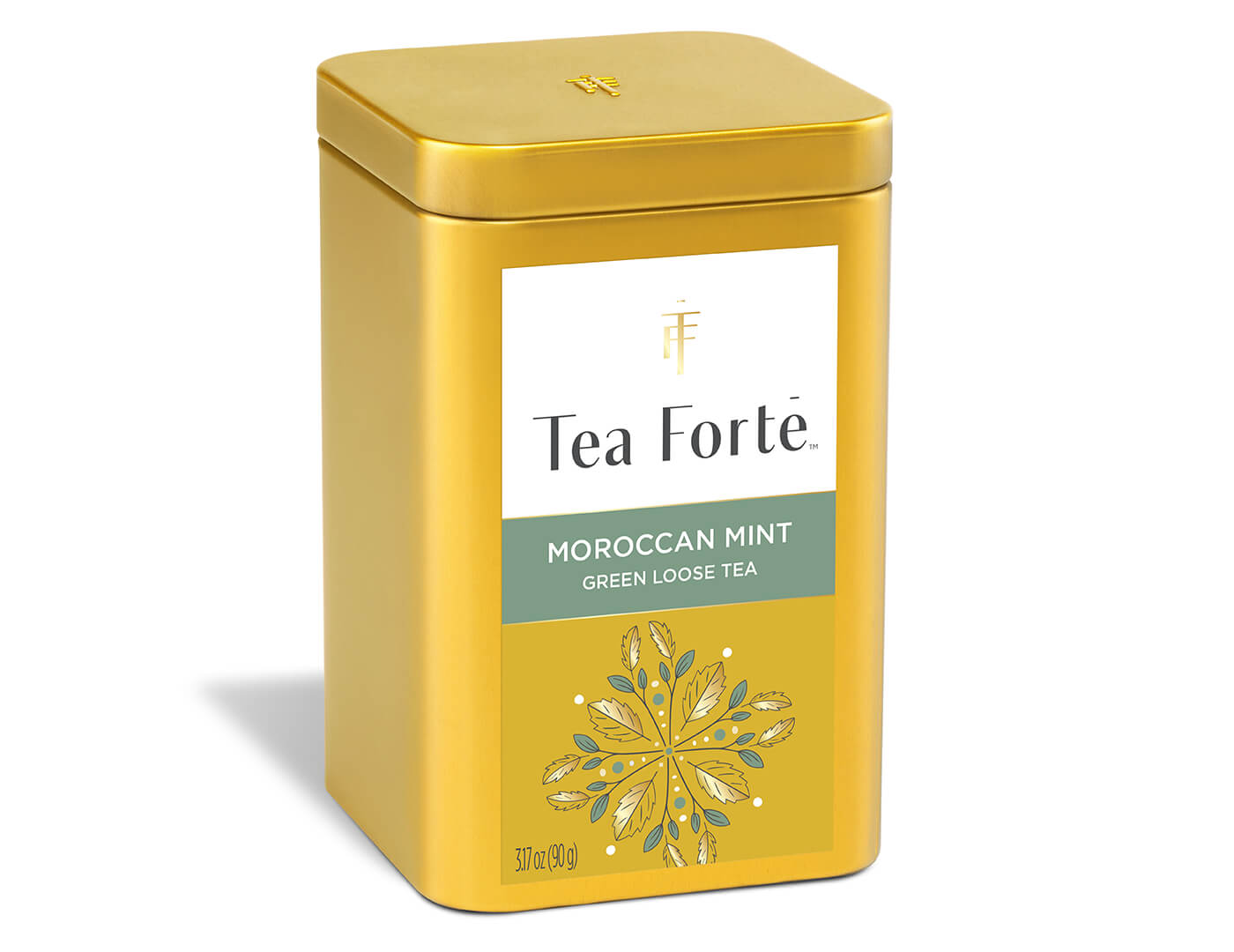
Moroccan Mint Loose Leaf Tea Canister
35-50 Servings
Moroccan Mint Loose Leaf Tea Canister
Enter your email below to be notified when this item is back in stock.


5 tea pyramids
Moroccan Mint Pyramid 5ct
Enter your email below to be notified when this item is back in stock.
40 tea pyramids
Moroccan Mint Event Box 40ct
Enter your email below to be notified when this item is back in stock.


Tea Tasting Assortment Single Steeps® Sampler
15 loose tea pouches
Tea Tasting Assortment Single Steeps® Sampler
Enter your email below to be notified when this item is back in stock.
ALL ABOUT
MOROCCAN MINT TEA
ABOUT MOROCCAN MINT TEA
Tea Type: Green Tea
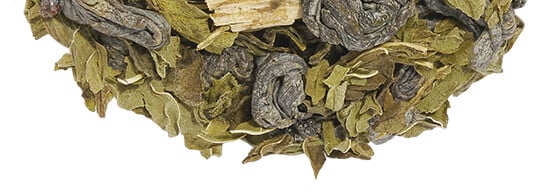
An exotic and invigorating cup for any time of day. This is a traditional rolled green tea with cooling mint flavors that linger and refresh. While green tea with mint is enjoyed throughout the world, it is the national drink of Morocco. The green tea symbolizes endurance, while the mint represents freshness and generosity. A generous amount of sugar is often added in the North African style, which is a nod to the sweetness of Moroccan hospitality.
Read More About Moroccan Mint and Green Tea:
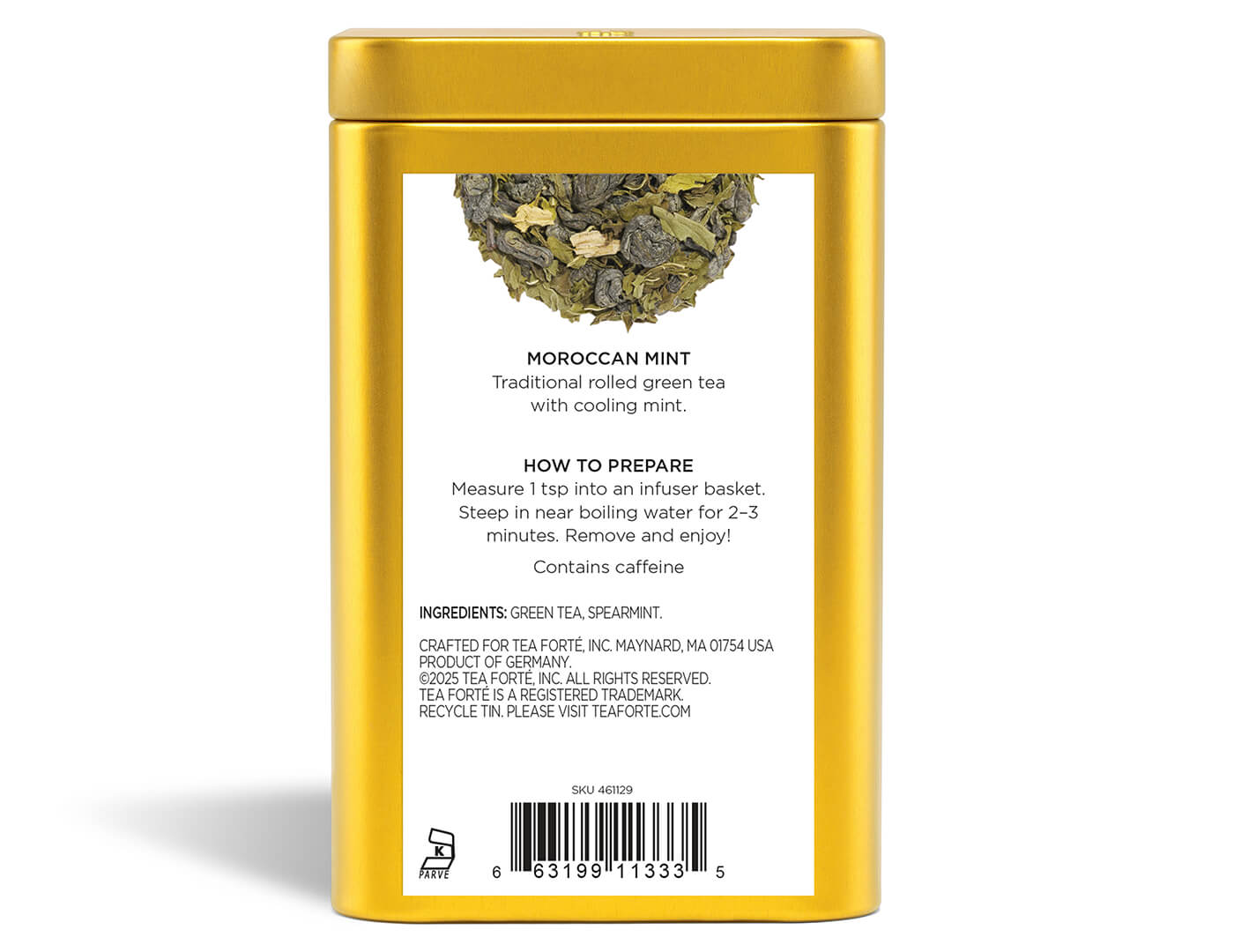
STEEPING INSTRUCTIONS
1. Measure 1 tsp of loose tea into an infuser basket.
2. Steep in near boiling water (175˚F) for 2-3 minutes.
3. Remove basket and enjoy!
For loose leaf iced teas, use 2 tsp per 8-ounce glass.
TASTING NOTES
Flavor: Perfectly balanced with a lingering sweet, smooth and cooling finish
Aroma: Refreshing and minty
Color: Golden yellow-green
INGREDIENTS
Green tea, Spearmint.
CAFFEINE CONTENT (MG)

You also viewed
CUSTOMER
REVIEWS
Customer